
Optimal Timing for Water Treatments
Water treatments are most effective when performed during specific times of the year to ensure optimal water quality and system performance. Proper timing can prevent issues such as mineral buildup, corrosion, and microbial growth. Seasonal adjustments are often recommended based on local climate conditions and water usage patterns.
Spring is ideal for water treatments as water demand increases and systems are often more accessible after winter.
Fall treatments help prepare water systems for winter, preventing freezing damage and buildup.
Conducting treatments after heavy usage seasons maintains water quality and system longevity.
Pre-season treatments ensure systems are clean and ready before peak usage periods.
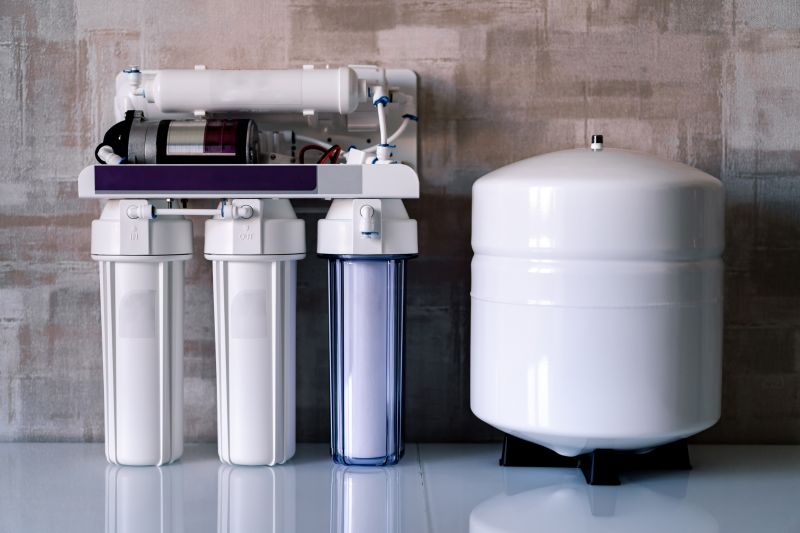
Advanced systems used for effective water purification and conditioning.
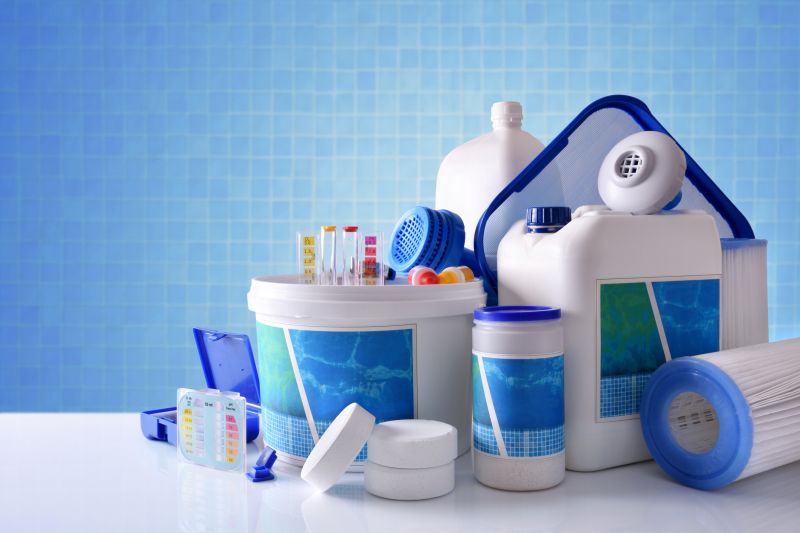
Tools for analyzing water quality before and after treatments.
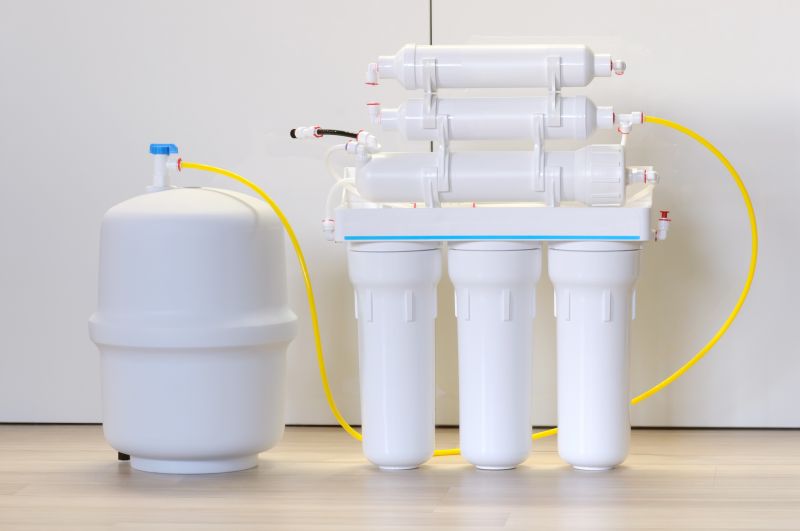
Installation of filtration units to improve water taste and safety.
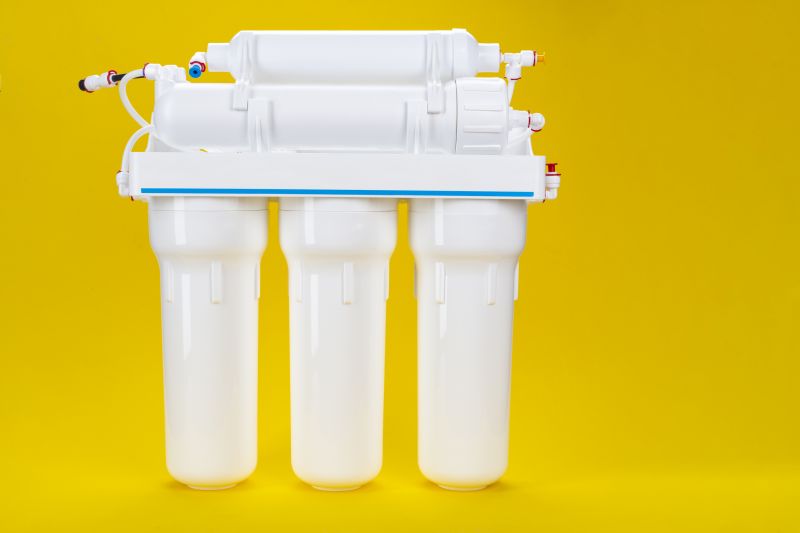
Ways to make Water Treatments work in tight or awkward layouts.
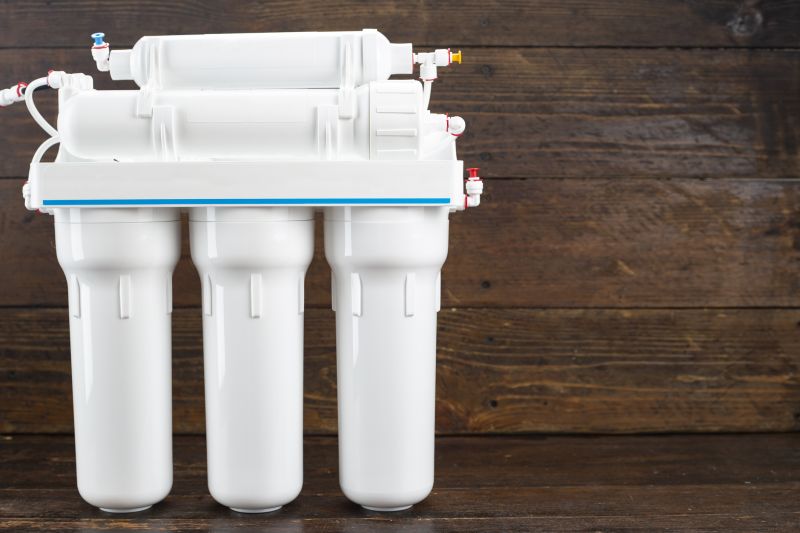
Popular materials for Water Treatments and why they hold up over time.
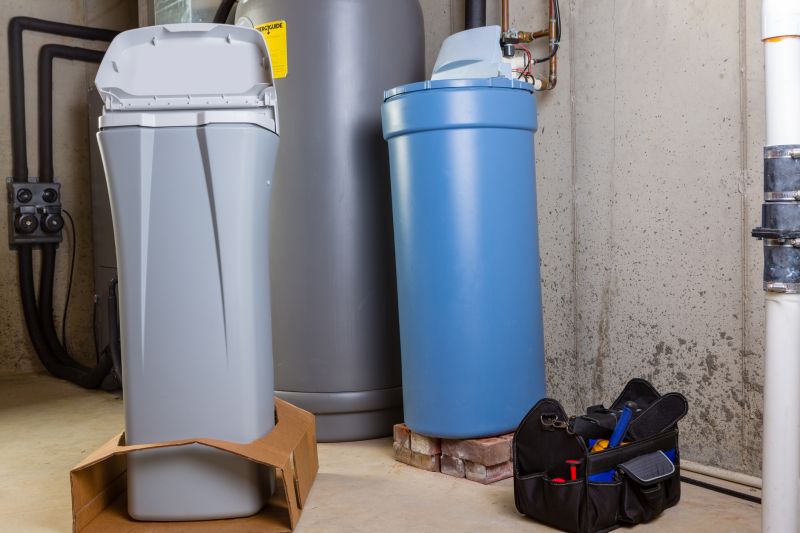
Simple add-ons that improve Water Treatments without blowing the budget.
| Season | Recommended Water Treatment Timing |
|---|---|
| Spring | Ideal for initial system start-up and mineral removal. |
| Summer | Regular maintenance to prevent microbial growth. |
| Fall | Prepares systems for winter, preventing freezing. |
| Winter | Limited treatments unless necessary due to system issues. |
| Post-Heavy Usage | After periods of high water demand or system stress. |
| Pre-peak Season | Before high usage periods to ensure system readiness. |
Water treatments involve processes such as filtration, chemical dosing, and system flushing to improve water quality and protect infrastructure. Regular treatments can reduce the buildup of minerals like calcium and magnesium, which cause scale, and eliminate microbial contaminants. Statistics indicate that untreated water can lead to significant system damage, with mineral scaling reducing system efficiency by up to 50%. Proper timing ensures treatments are most effective, prolonging equipment lifespan and maintaining water safety standards.
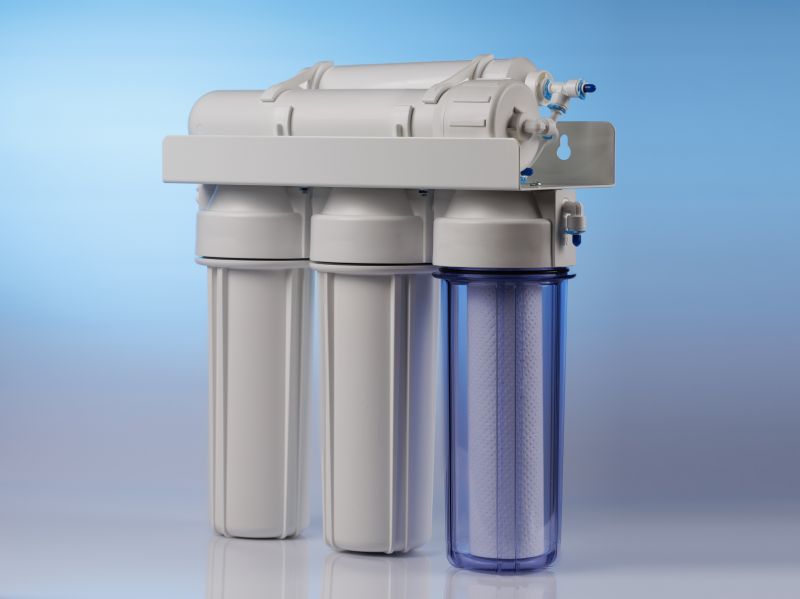
Step-by-step procedures for effective water conditioning.
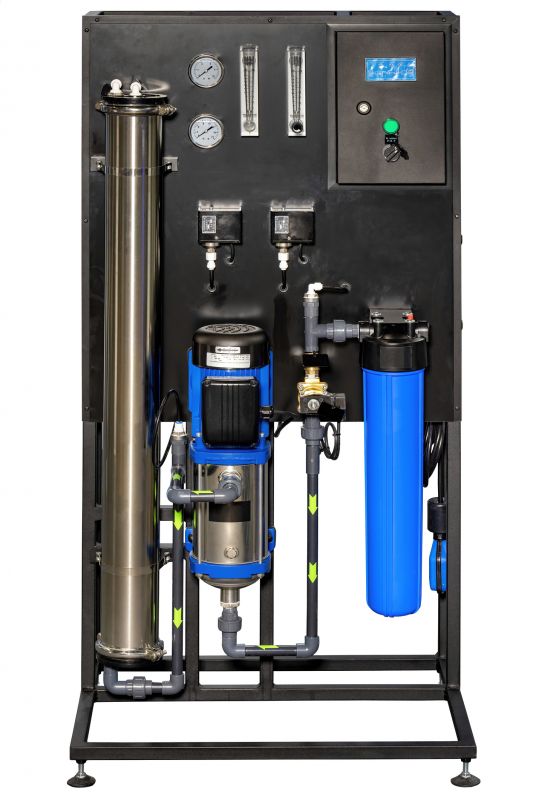
Assessments to determine the need for treatment and monitor results.
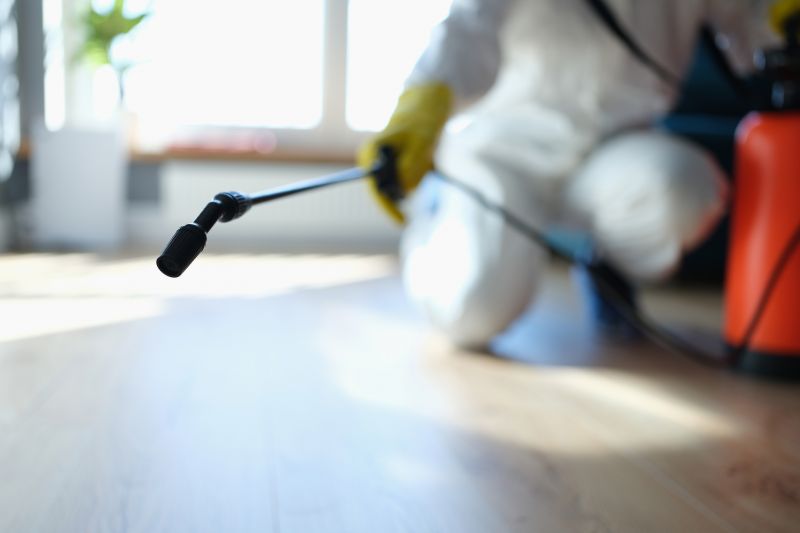
Devices used for precise chemical application during treatments.
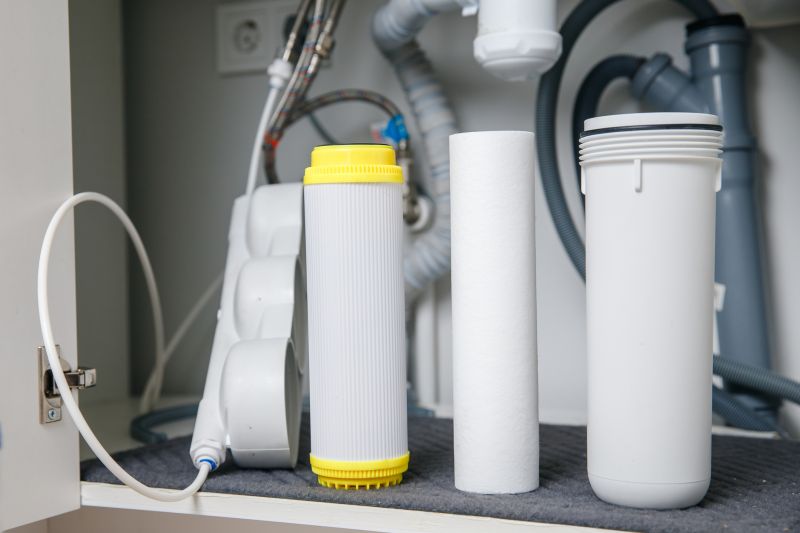
Valves, filters, and tanks involved in water treatment setups.
Scheduling water treatments at appropriate times is crucial for maintaining water system efficiency and safety. Properly timed treatments can prevent costly repairs, reduce downtime, and ensure consistent water quality. Factors such as local climate, water usage patterns, and system type influence the optimal timing for treatments. Consulting with water treatment professionals can help determine the best schedule tailored to specific needs.
Contact for Water Treatment Services
Interested in scheduling water treatments or learning more about optimal timing? Fill out the contact form to receive tailored advice and service options.